// The Dossier Matrix
Executive Structure
Owner: Matthew Benham
Chairman: Cliff Crown
Director of Football: Phil Giles
Club Honors
League Titles: Second Division (1935), Third Division (1992)
Pyramid Promotions: Fourth Tier (1963, 1999, 2009)
Knockout Success: Championship Play-Off Winners (2021)
Club Metrics
Founded: 1889
Club Captain: Nathan Collins
Nickname: The Bees
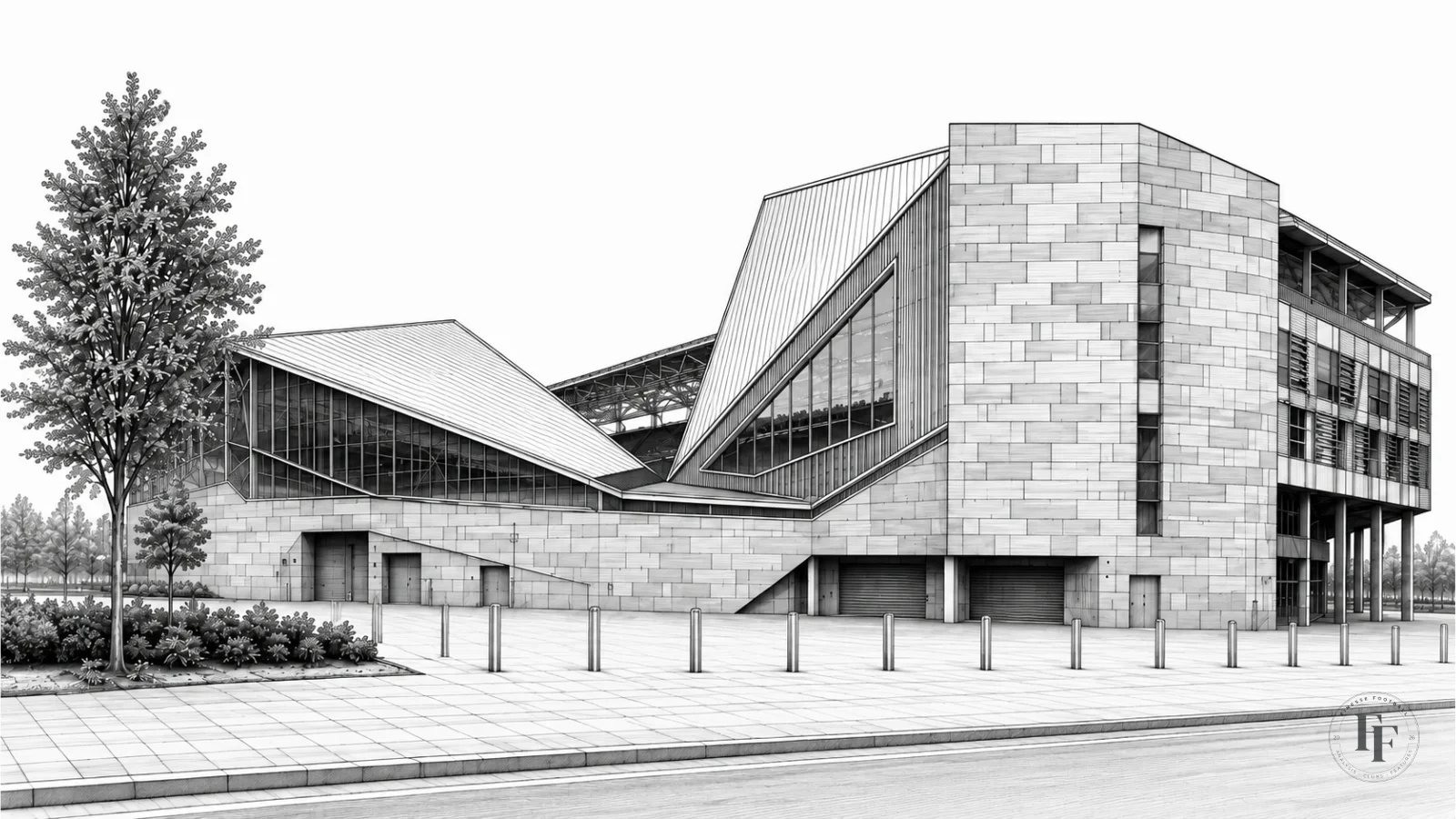
Stadium Capacity: 17,250
Tactical Identity & Game Model
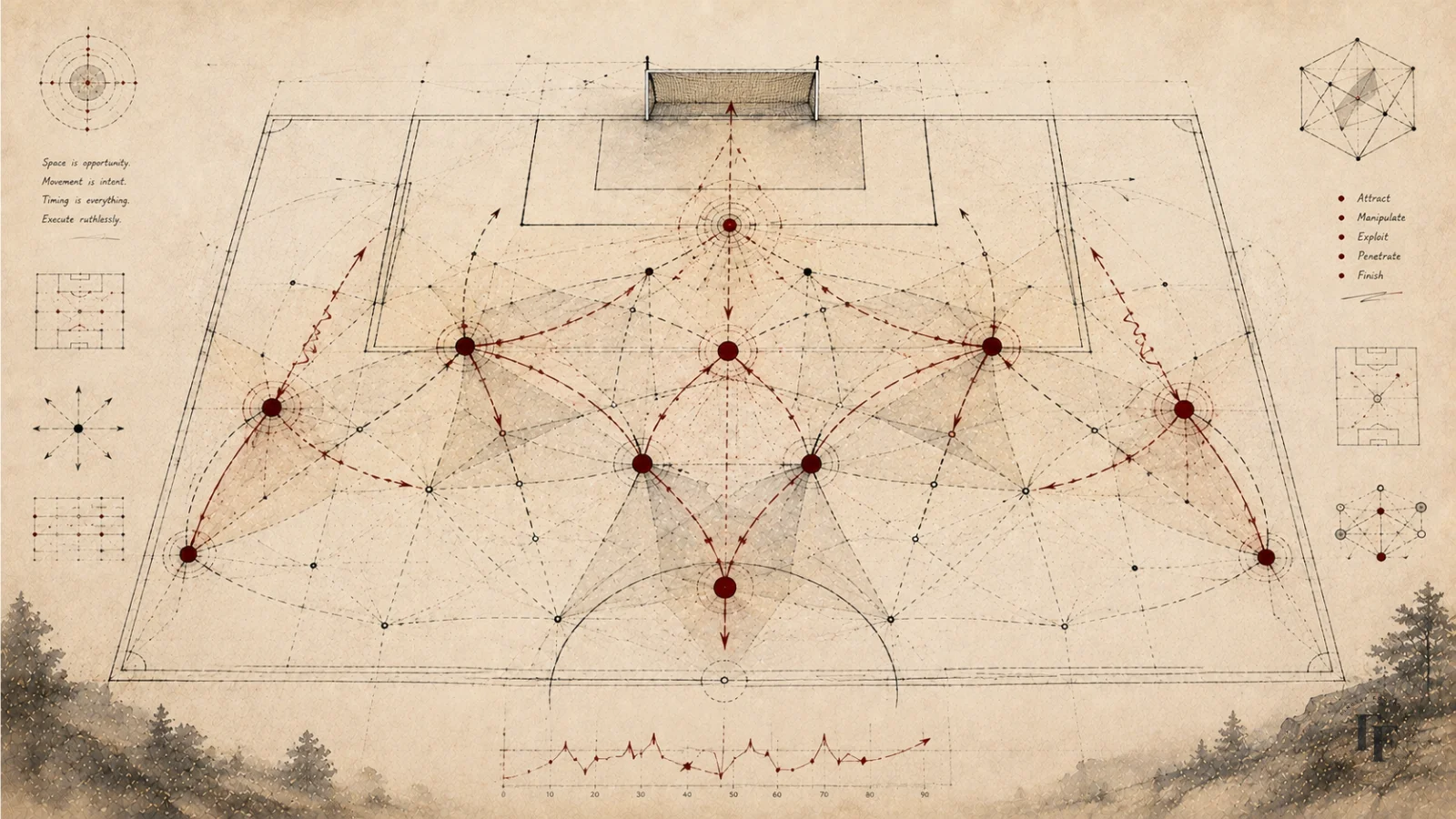
Stylistic dogma is discarded in favor of cold, mathematical efficiency. Possession is highly direct and vertically oriented, designed to bypass congested midfields entirely through calculated long-ball progression toward aerially dominant target men. These aerial targets are supported by aggressive, hard-running inside forwards positioned to swallow the resulting second balls. This directness is paired with an asymmetrical, fluid build-up that alters shape dynamically based on the opponent’s pressing weaknesses. In the final third, structural attacking patterns are highly calculated, but the defining offensive weapon is their world-class, meticulously choreographed set-piece execution. Every set-piece is treated as a high-value, high-margin scoring opportunity, engineered through intricate block runs, screens, and decoy movement.
Defensively, the primary objective is deep-block stability and absolute spatial denial. The primary shape shifts effortlessly between a compact 5-3-2 and a disciplined mid-block, refusing to over-commit to high presses unless specific lateral pressing triggers are met. This defensive shape focuses on absolute central compression, forcing opponents wide into low-value crossing zones where aerially dominant center-backs can comfortably clean up the delivery. Rest-defense margins are kept exceptionally secure, with deep midfield blocks acting as immediate turnover locks to limit vertical counter-attacks.
Roster Construction & Profile Thresholds
A sophisticated, data-informed recruitment model drives every acquisition. Rather than chasing overvalued pedigree, the club targets undervalued, high-efficiency players whose statistical metrics match highly specialized role profiles. Physical requirements demand elite physical robustness, high-volume aerial duel success, and exceptional recovery endurance. From a technical standpoint, the recruitment model values highly specialized skill sets including long-throw distances, high-accuracy crossing under pressure, and elite ball-striking instead of generalized playmaking. Psychologically, targets must possess extreme tactical malleability and an analytical mindset, allowing them to instantly absorb and execute highly detailed, data-driven game plans.
// Technical Specialists
Set-Piece Tactics
Stephen Rice – First-team set-piece coach responsible for designing set play routines. He builds on analytical structures by engineering blocking schemes, congested six-yard box targets, and defensive wall positioning to maximize scoring efficiency.
Training & Development
Damian Duff – Assistant coach tasked with executing on-pitch tactical sessions and player development. His primary focus with the senior squad centers on refining technical execution, attacking movement patterns, final-third composure, and wide crossing delivery.
Individual Player Development
Jack Lester – Individual coach responsible for specialized development. Working outside of full team tactical drills, he designs custom training programs for individual squad players to systematically address technical gaps and positioning mechanics.
// Positional Archetypes
THE BALL-STRIKING OUTLET
Rather than prioritizing ball retention or slow build-ups, Brentford’s goalkeeper and deep center-backs act as direct launchers. This archetype possesses elite, sweeping ball-striking range, bypassing midfield structures entirely to target isolated aerial duels or deep territory channels instantly.
THE SECOND-BALL SECURER
Instead of acting as a traditional orchestrator, Brentford’s central midfielders function as high-intensity physical cleaners. This archetype positions itself perfectly underneath direct aerial long balls, utilizing elite spatial awareness and screening presence to secure secondary possession and launch immediate vertical overloads.
THE BLIND-SIDE RUNNER
Where traditional target forwards stick to central pathways, Brentford’s attacking outlets work on dynamic lateral movements. This archetype constantly drifts into the space between the opposition fullback and center-back, pinning defenders deep before executing sudden inside-to-out diagonal runs to catch flat backlines out.
// Historical Benchmarks
Legacy Scorer
Jim Towers – 163 Goals (1954–1961)
An incredibly elegant, technically creative center-forward who famously formed one half of the prolific “Terrible Twins” partnership alongside George Francis. His unique penchant for spectacular, long-range strikes rather than simple tap-ins earned him a lasting reputation as the club’s greatest raw talent.
Record Appearances
Ken Coote – 559 Apps (1949–1963)
The immaculate, highly disciplined full-back who defined the post-war era at Griffin Park. Noted for his exceptional positional intelligence and clean, low-foul tackling metrics, he captained the side with total distinction throughout a 14-year single-club career.
Iconic Captaincy
Pontus Jansson – 115 Apps (2019–2023)
The transformative defensive leader signed to inject a necessary physical steel into Thomas Frank’s highly progressive tactical system. His immense aerial dominance and demanding elite mentality acted as the catalyst that carried the club through the grueling playoffs and into the Premier League.
// IDEOLOGICAL ANCHORS
Thomas Frank: 2018 – 2025
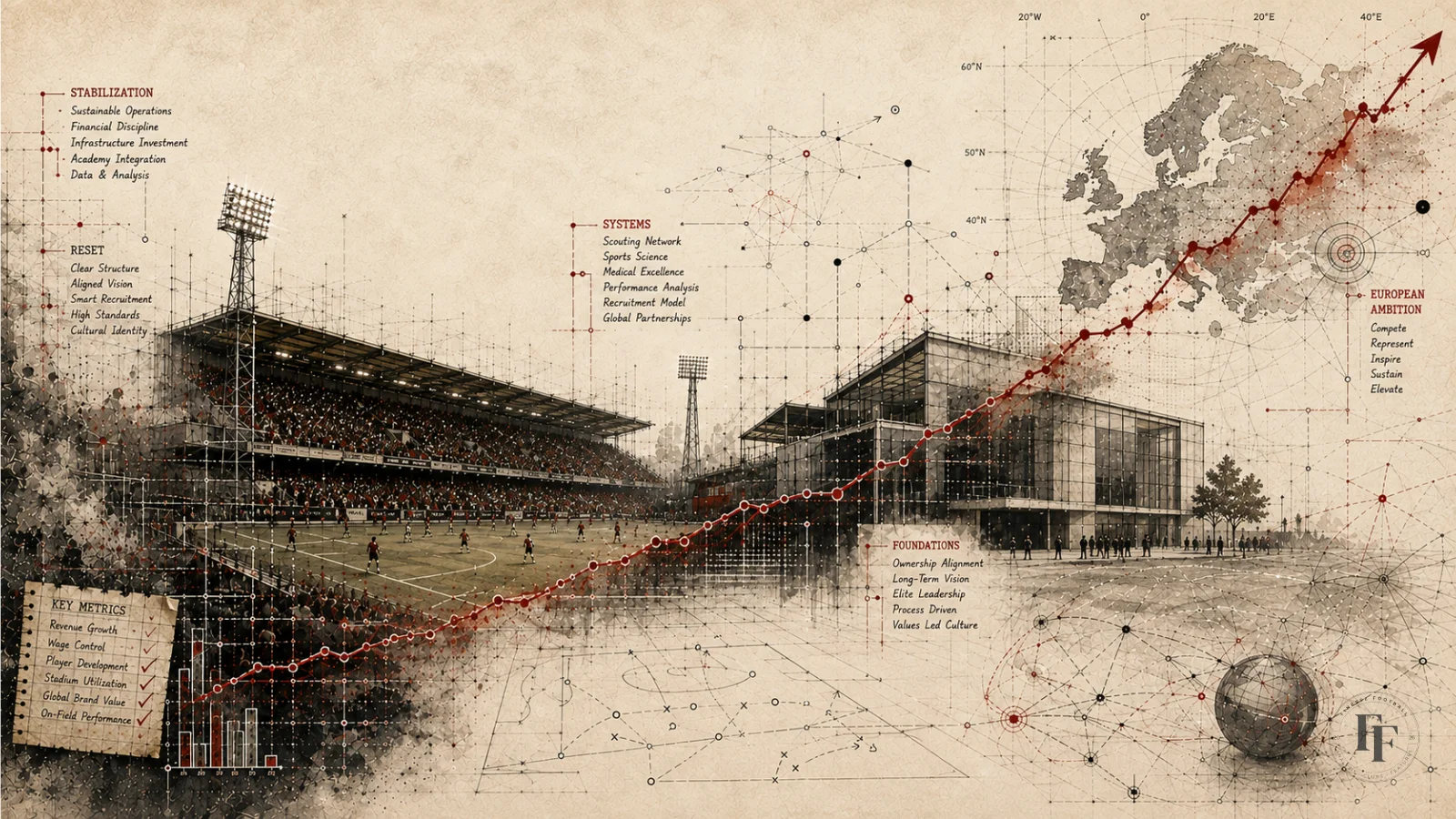
The tactical mastermind who executed the club’s historic ascension, establishing Brentford as a highly resilient top-flight institution through peerless out-of-possession structures and set-piece supremacy.
Mark Warburton: 2013 – 2015
Initiated the club’s modern tactical modernization, implementing an attractive, fluid, short-passing possession game that delivered automatic promotion to the Championship and immediately challenged the established second-tier elite.
Harry Curtis: 1926 – 1949
The most successful manager in historic Brentford lore, who guided the club from the depths of the Third Division South to an astonishing fifth-place finish in the top tier by deploying a robust, fast-breaking direct attacking style.