Positional Mastery Part 1: The Defense – The Backline Protectors
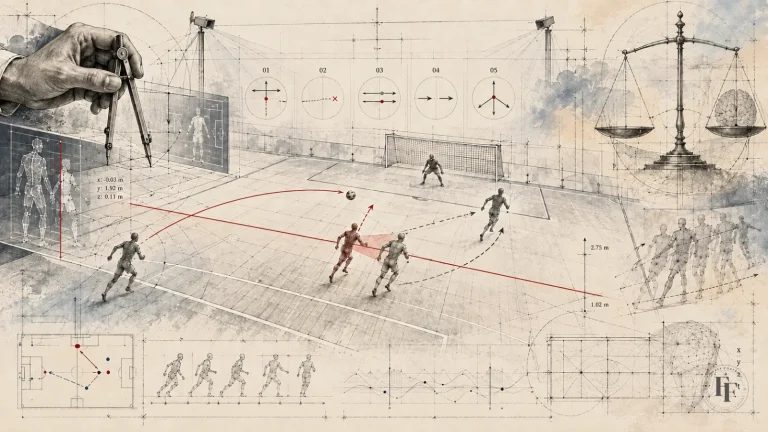
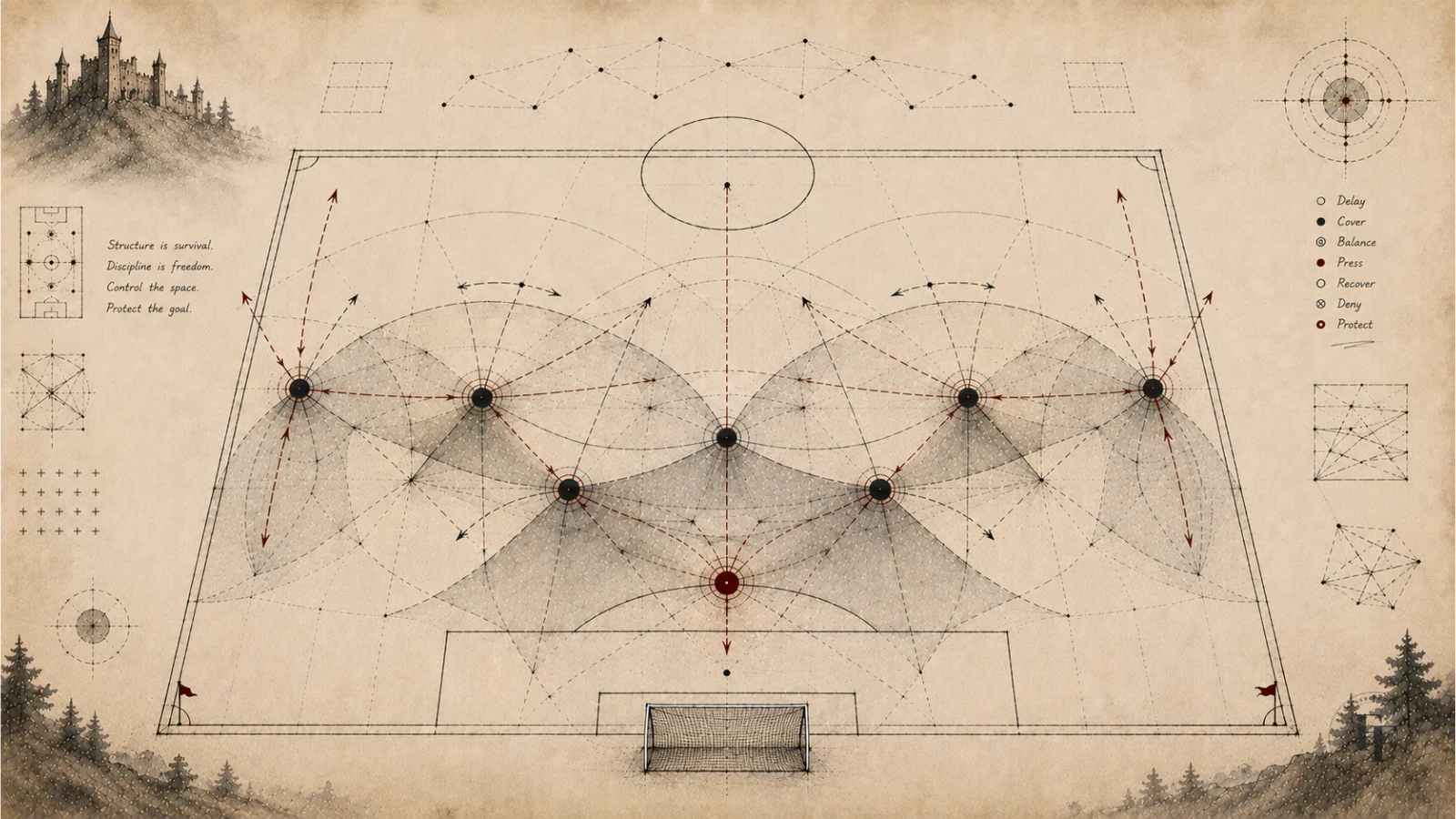
Often characterized as a team’s spine, the defensive line establishes structural stability and instills organizational confidence across the pitch. A reliable defensive foundation frees attacking players to execute their roles with freedom, operating under the assurance that threats behind them will be handled with composure. Trust across lines is essential; squad harmony relies on defenders managing high-stress scenarios effectively until collective defensive shapes can be recovered.
Elite goalscoring is ultimately rendered ineffective if a side lacks the discipline to protect its own net. Reliability and dependability are non-negotiable defensive traits, requiring players who willingly put their bodies on the line to nullify opposition scoring opportunities.
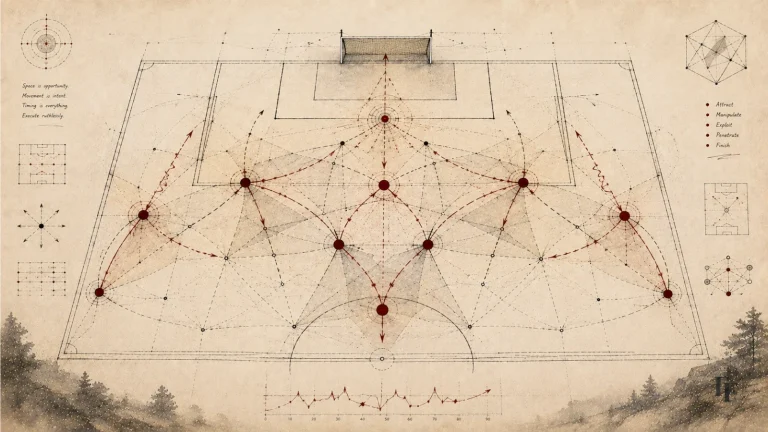
Furthermore, modern defensive units serve as the primary launching pad for forward play. Defenders must remain comfortable under pressure, scanning the pitch from deep positions to identify spatial openings and distribute the ball cleanly to initiate attacking sequences.
The Center-Back
The center-back is tasked with securing the most critical territory on the pitch: the central channel directly in front of the goal. Relying on physical strength, precise tackling mechanics, and aerial dominance, center-backs neutralize direct threats and win key aerial duels in both penalty areas. During offensive set pieces, their physical profile transforms them into high-value goalscoring threats.
Positional discipline routinely outweighs raw recovery speed at the heart of the defense. Center-backs maintain a broad view of the entire pitch, making clear communication with full-backs, midfielders, and the goalkeeper vital for maintaining structural compactness. Playing in a standard four-man backline demands an intuitive partnership between the central pairing. When mutual understanding and complementary movement align, they create an impenetrable central block. In addition, when the team transitions forward, center-backs must step up aggressively to compress the playing field, smothering potential counter-attacks at their inception.
Ball-Playing Center-Back
Essential in modern three-man or four-man defensive structures, the ball-playing center-back constructs attacks directly from the defensive third rather than indiscriminately clearing possession. They carry the ball forward into the middle third to draw out opposition lines, creating numerical overloads and opening central passing lanes. Simultaneously, they must coordinate the defensive line to execute synchronized offside traps, requiring flawless communication and spatial awareness.
Virgil van Dijk set the gold standard for this role at Liverpool. Combining imperious aerial dominance with exquisite long-range passing accuracy, his ability to step out from the back and initiate rapid transitions transformed how top-flight central defenders operate.
Libero / Sweeper
Rarely deployed in contemporary systems, the libero (meaning “free”) operates without fixed man-marking responsibilities. Positioned behind or alongside the main defensive line, this free-roaming defender steps aggressively into midfield during possession phases to create central overloads. The role demands world-class vision, anticipation, and expansive distribution. Modern developments in offside rules and the rise of the sweeper-keeper have largely absorbed these duties, but the profile remains a masterclass in tactical intelligence.
David Luiz showcased the modern incarnation of this role during his time at Chelsea, particularly within a three-man backline. Operating with freedom behind aggressive center-backs, his expansive passing range and willingness to drive forward into midfield allowed him to act as an unscripted playmaker from deep.
The Full-Back
Operating strictly within four-man defensive systems, full-backs are tasked with protecting the wide channels. Their defensive priority is stopping opposition wide players in one-on-one scenarios and preventing crosses from entering the penalty area.
Offensively, full-backs form vital wide pairings with their respective wingers or wide midfielders. Through rapid overlapping and underlapping runs, they create two-versus-one scenarios against opposition defenders, pulling defensive shapes out of position and opening up interior channels for teammates to exploit.
Executing these demanding duties requires exceptional stamina, rapid acceleration to track back during defensive transitions, and elite tackling mechanics to force wide attackers away from central goalscoring zones.
The Inverted Full-Back
Popularized in modern elite tactics, the inverted full-back shifts laterally into the central midfield channel during possession phases rather than overlapping along the touchline. This tactical inversion creates a dual-pivot alongside the holding midfielder, establishing numerical superiority in the center of the pitch and forming an immediate barrier against opposition counter-attacks.
João Cancelo redefined this role at Manchester City, regularly moving from a traditional full-back starting position into advanced central midfield pockets. His elite vision, technical composure, and spatial scanning allowed his side to dominate middle-third possession while maintaining structural balance.
The Wing-Back
Deployed almost exclusively within five-man or three-center-back formations, wing-backs operate higher up the pitch due to the structural coverage provided by the three central defenders behind them. Tasked with managing the entire length of the touchline, they stretch opposition structures horizontally and provide direct wide outlets.
While rarely serving as the initial target for crosses, wing-backs frequently make late, undetected runs into the far post to attack second balls and misdirected deliveries. The role demands the highest stamina and work rate on the pitch, requiring players to sprint forward to support attacks before instantly tracking back to restore a five-man defensive line when possession is lost.
Antonee Robinson exemplifies this high-intensity profile at Fulham. Powered by electric pace, relentless stamina, and sharp one-on-one dribbling, he repeatedly overloads the wide channels, delivering accurate crosses while possessing the recovery speed to erase opposition wide counters.
The Sentinels of the Structure
A disciplined defense does far more than keep clean sheets; it secures titles. Battles in the defensive third are governed by organizational clarity, tactical resilience, and an unyielding commitment to protecting the penalty area. Acting as the sentinels of the pitch, elite defenders close every spatial gap and shut down passing lanes before threats can materialize. Mastering these defensive archetypes ensures a squad remains structurally sound, turning individual resilience into a collective fortress.
// Editorial Series: Positional Mastery
Vol. 01 – Now Reading
01. The Defense
The Backline Protectors
(Un)laced
A curated look at the moments that mattered alongside stories and insights worth your time.